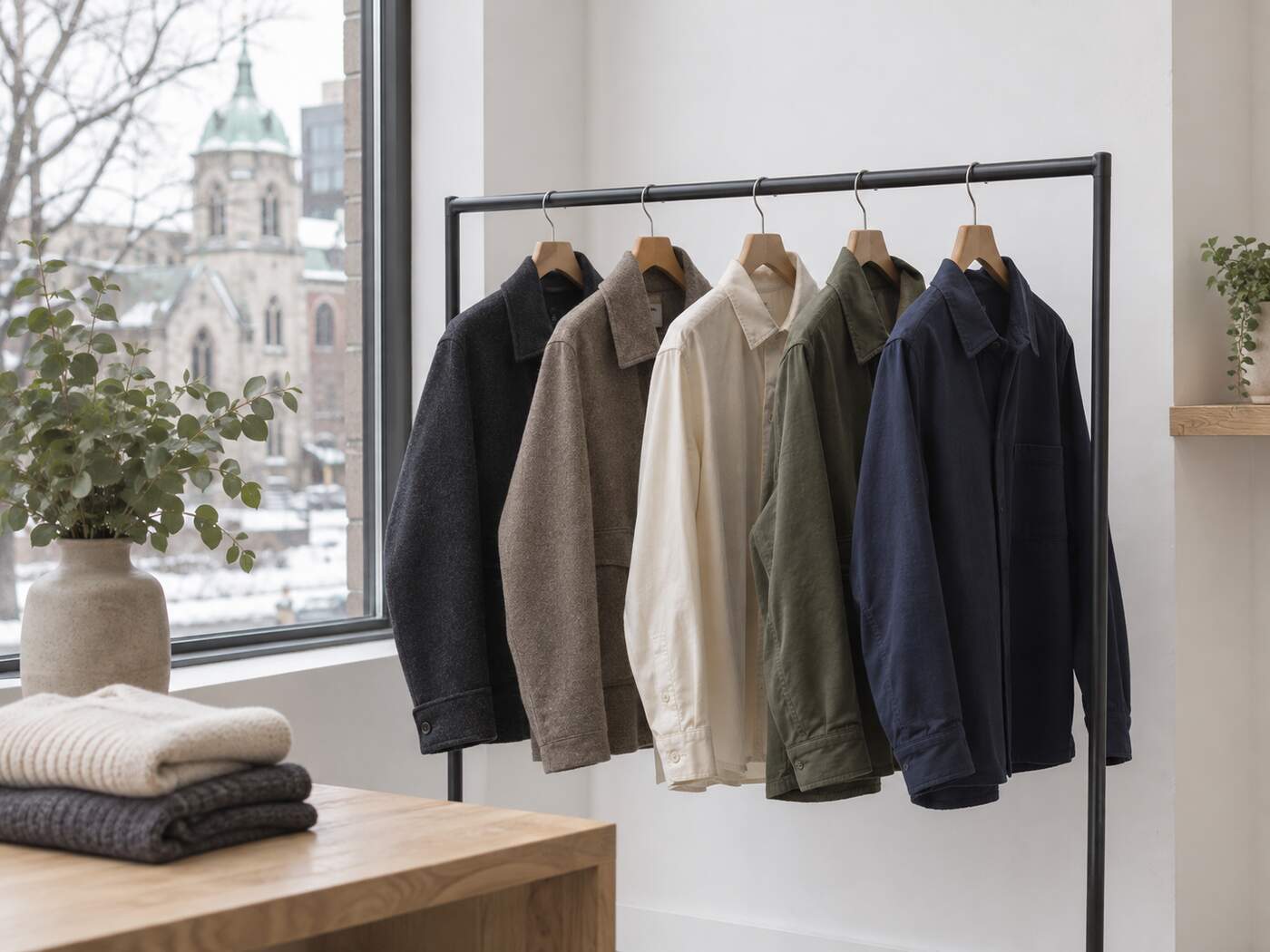
In short: the directional fashion meaning is simple: directional clothing is clothes that point to where style is heading rather than where it has been. A directional boutique is one whose buyer picks pieces with a clear point of view, often before they are widely known. In the 2000s and 2010s that meant labels such as Acne Studios, A.P.C., rag & bone, Engineered Garments, Isabel Marant and Opening Ceremony.
“Directional” is one of those fashion words that sounds precise and often is not. Retailers use it in job ads, store descriptions and press releases, usually without defining it. Directional fashion designers, and the boutiques that buy from them, rarely explain it either. This guide explains what the term means in practice, how it differs from trend-led and classic clothing, and which labels shaped the independent boutique era in Canada and abroad. Facts about each label come from the sources listed at the end.
Directional fashion meaning: what does the term mean?
In the trade, a directional piece is one that sets or anticipates a direction: a new silhouette, a different proportion, an unexpected fabric, or a familiar garment reworked in a way that will look normal in two years’ time. It is forward-looking without being a costume.
A good working definition comes from a Toronto style column on Law and Style, which described one boutique’s edit as “clean, sleek pieces and basics with an avant-garde twist.” Directional fashion usually looks like that: wearable foundations with one idea that moves them forward.
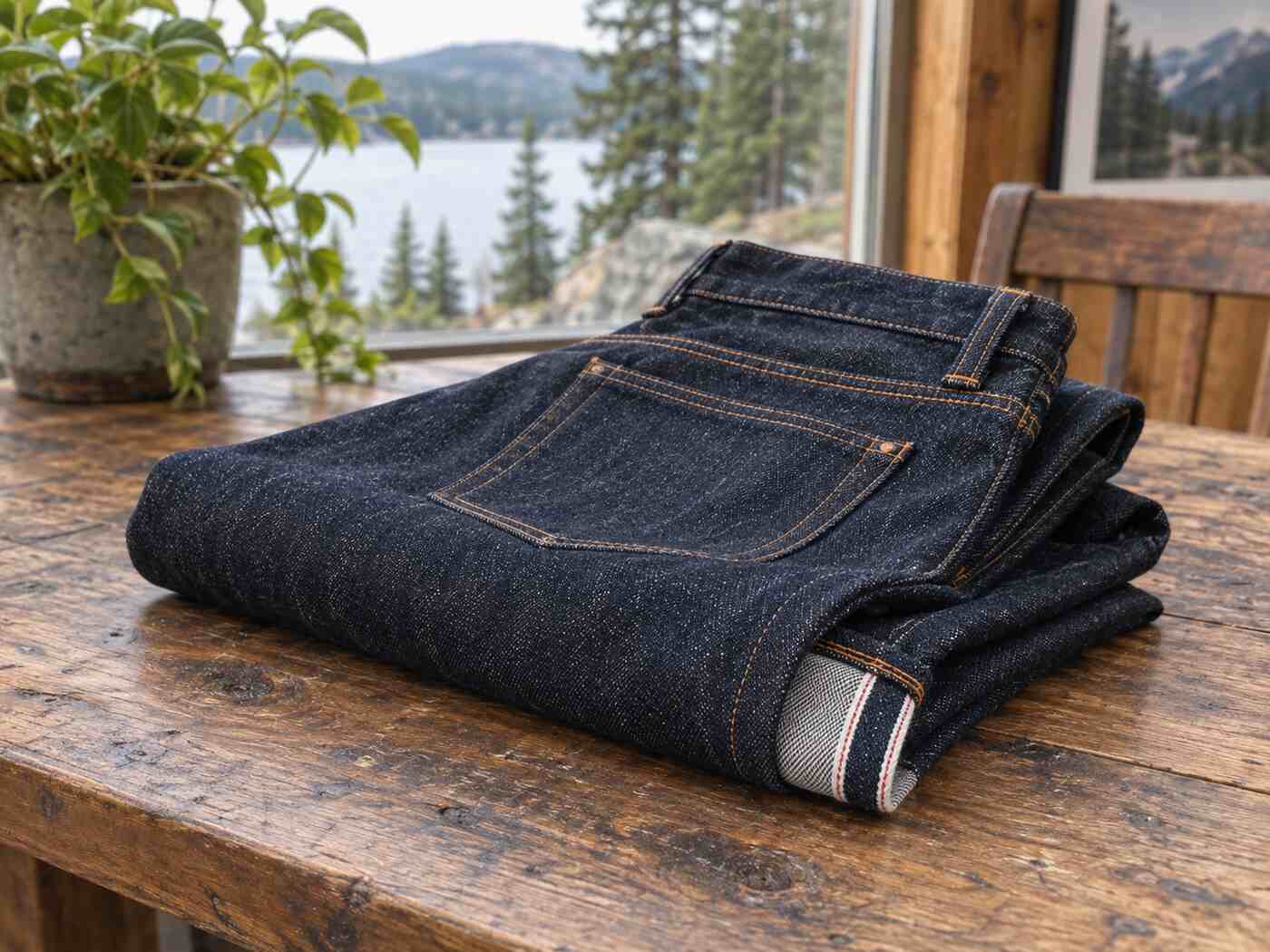
Directional, trend and classic compared
| Directional | Trend-led | Classic | |
|---|---|---|---|
| Timing | Early, before wide adoption | At the peak of popularity | Timeless |
| Where it is sold | Independent and concept boutiques | Chains and fast fashion | Everywhere |
| Typical lifespan | Several years, often becomes classic | One or two seasons | Decades |
| Example | Slim raw denim in the early 2000s | A logo piece everyone wears one summer | A navy wool coat |
The interesting overlap is between directional and classic. Many directional ideas become classics: the clean slim jean, the minimal sneaker, the oversized knit. That is why directional boutiques were often good places to buy investment pieces.
Acne Studios: jeans as a starting point
Acne Studios was founded in Stockholm in 1996 by Jonny Johansson and partners as a creative collective; the name is said to stand for “Ambition to Create Novel Expressions.” According to Wikipedia, it started in clothing in 1997 by giving away 100 pairs of raw denim jeans with red stitching to friends and family. That small run is a textbook directional move: one simple product, a distinctive detail, seeded among people others watch.
A.P.C.: the case for plain clothes
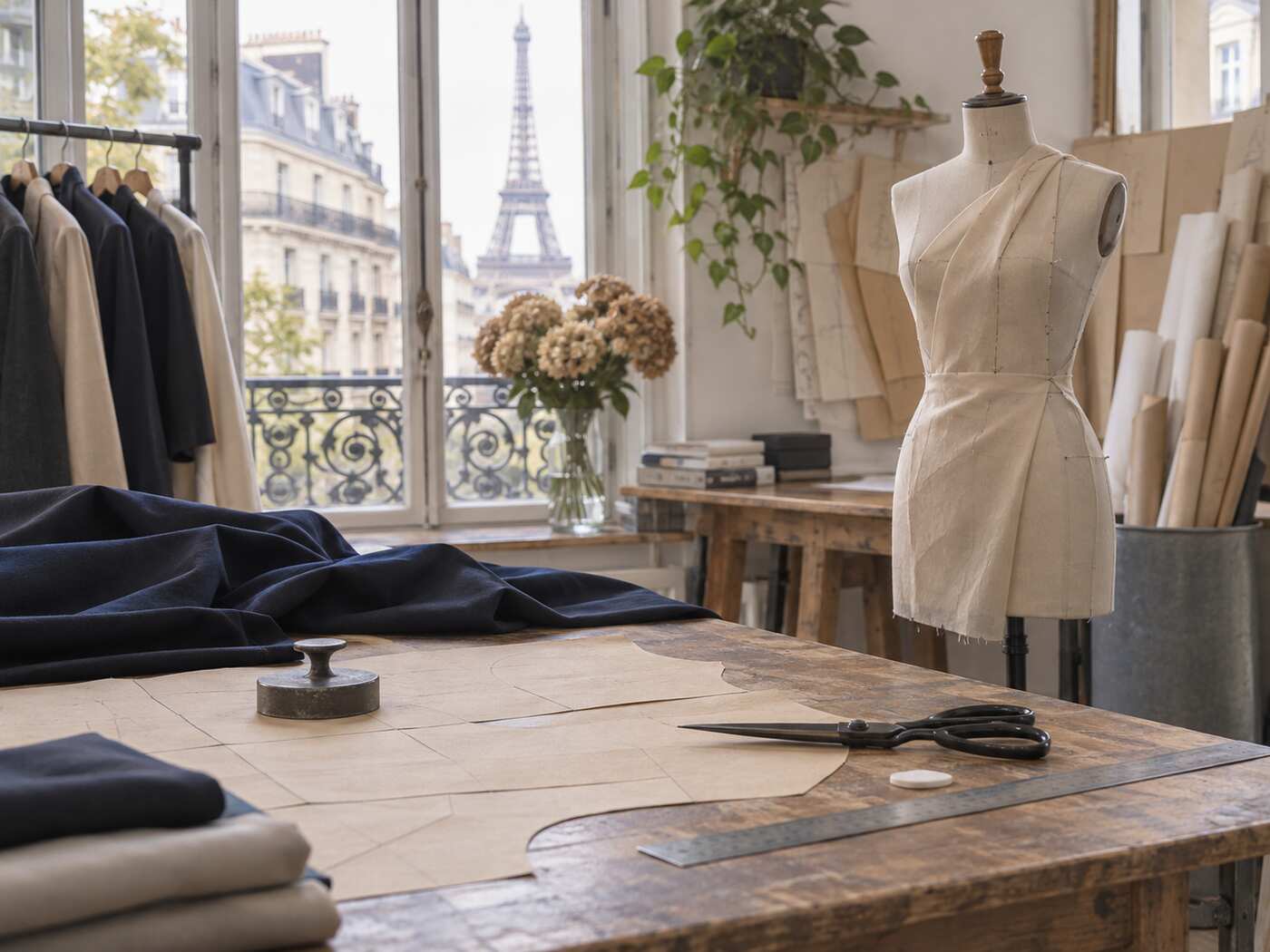
A.P.C., short for Atelier de Production et de Création, was founded in Paris in 1987 by Jean Touitou, as Wikipedia records. Its early collections were known for minimalist designs, clean lines and simple patterns, and later for raw Japanese denim. A.P.C. shows that directional does not have to mean loud. Choosing to make very simple clothes very well, at a time when others were adding decoration, was itself a direction.
rag & bone and Engineered Garments: menswear first
rag & bone was founded in New York in 2002 by Marcus Wainwright and Nathan Bogle, according to Wikipedia; it launched with a men’s line in 2004 and added womenswear in 2005. Engineered Garments was founded in 1999 by the Japanese-American designer Daiki Suzuki, as its Wikipedia entry notes, and is best known for utilitarian menswear. Both started from menswear basics, jackets, trousers and shirts, and made small changes that buyers noticed.
Both labels were stocked by Toronto’s Jonathan+Olivia, which Complex listed in 2010 alongside Band of Outsiders, Wings+Horns, Robert Geller and Surface to Air. That list is a snapshot of directional menswear at the time.
Isabel Marant and Opening Ceremony
Isabel Marant launched her own label in Paris in 1994. Her 2013 collaboration with H&M sold out within 45 minutes, according to Wikipedia, an example of a directional designer reaching the mass market once her ideas had been proven by boutique buyers.
Opening Ceremony was founded in New York in 2002 by Carol Lim and Humberto Leon as a store that sold its own designs alongside emerging labels, and it became a model for the concept store. Wikipedia records that its stores closed in 2020 following an announcement in January that year. A 2014 guide in Condé Nast Traveler listed Acne Studios, Isabel Marant, Alexander Wang and Opening Ceremony as the core of Jonathan+Olivia’s women’s offer.
Directional fashion labels at a glance
| Label | Founded | Founder(s) | Known for |
|---|---|---|---|
| A.P.C. | 1987, Paris | Jean Touitou | Raw denim, minimal basics |
| Isabel Marant | 1994, Paris | Isabel Marant | Relaxed Parisian womenswear |
| Acne Studios | 1996, Stockholm | Jonny Johansson and partners | Denim, Scandinavian minimalism |
| Engineered Garments | 1999, New York | Daiki Suzuki | Utilitarian menswear |
| rag & bone | 2002, New York | Marcus Wainwright, Nathan Bogle | Menswear from 2004, womenswear from 2005 |
| Opening Ceremony | 2002, New York | Carol Lim, Humberto Leon | Concept store; stores closed 2020 |
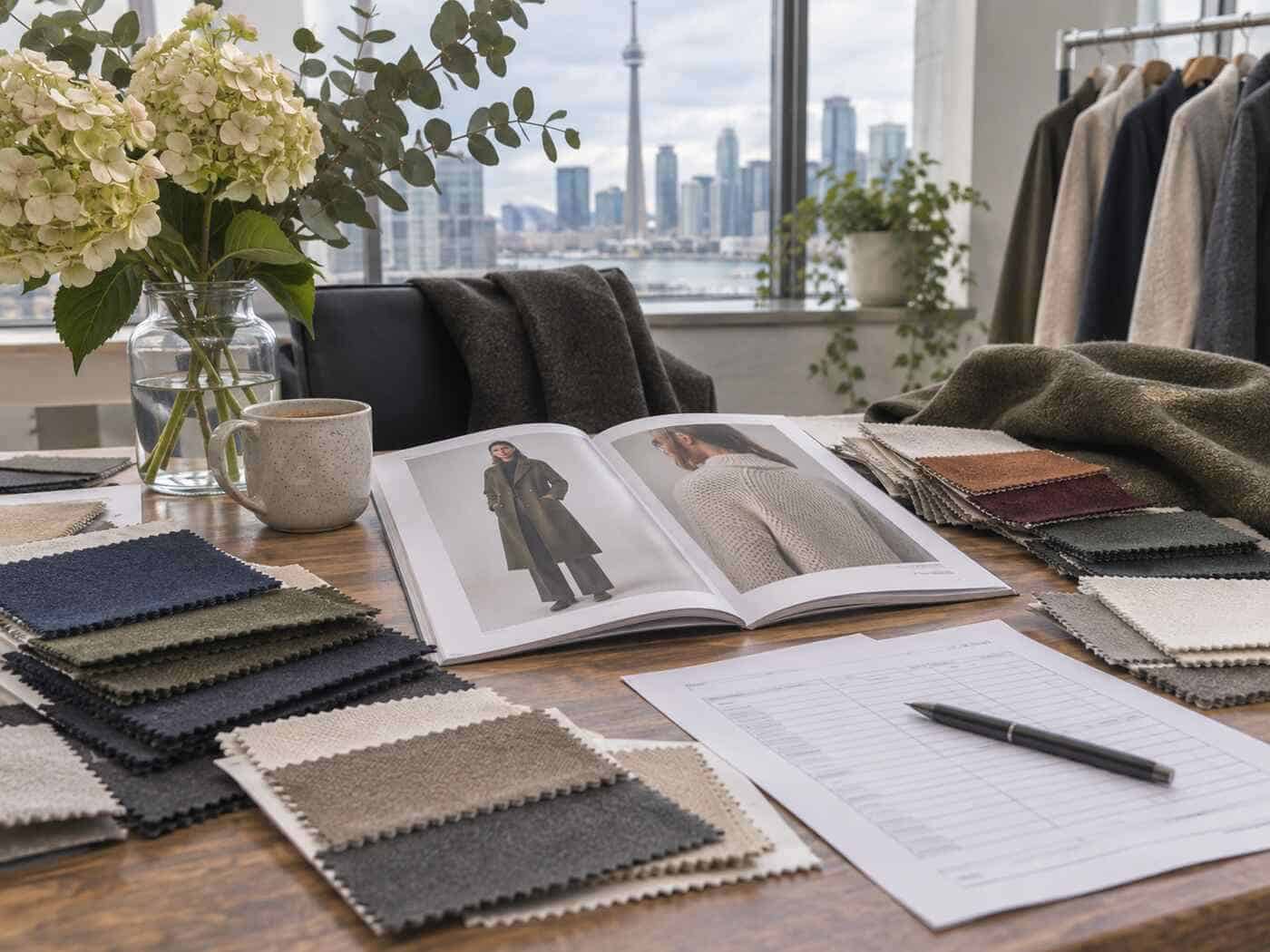
How boutique buyers spot a direction
Directional buying is a judgement made months before customers see the clothes. Buyers visit trade shows and showrooms, look for a designer whose ideas are consistent from season to season, and buy small quantities first. They ask whether a piece will make sense with what their regular customers already own. The risk is real: buy too early and nobody understands the piece; buy too late and it is everywhere.
This is why a buyer’s point of view matters, and why shops such as those described in our history of Jonathan+Olivia built loyal followings. Customers trusted the edit. Our guide to Toronto’s independent boutiques looks at where to find that kind of buying today.
Wearing directional clothing without looking costumed
The easiest way to wear directional clothing is to add one forward-looking piece to an outfit of plain, well-fitting basics. A wider trouser with a plain knit and simple shoes. A cropped jacket over a white shirt and straight jeans. An unusual colour in a classic shape. The rest of the outfit gives the new idea something to sit against.
The common mistake is to wear several directional pieces at once. The result looks like a runway photograph rather than a person getting on with their day. Boutique staff who know their stock are good at helping here; that was part of the appeal of shops like Jonathan+Olivia, whose owners told ELLE Canada they would rather a customer came back to try something on “five more times” than buy the wrong thing.
Directional does not have to mean expensive either. Vintage and consignment shops are full of pieces that were directional when they were made and look current again. Our guide to West Queen West shopping lists a few.

Directional fashion designers and the boutique buyer
Directional fashion designers depend on independent boutiques. A young label rarely has the volume or reputation to win a department store order, but a boutique buyer can place a small order, put the pieces in front of customers who trust the shop, and report back on what sold. That is the usual route by which a young label builds a reputation before it opens its own stores or sells to large retailers.
That relationship is one reason boutique closures matter beyond the shops themselves. When a buyer with a point of view closes, the designers they championed lose a showcase, and customers lose a filter. The rise of online stores has changed the route, but the principle is the same: someone has to choose.
Key takeaways
- Directional fashion points to where style is heading; it is early, not extreme.
- Directional boutiques are defined by a buyer with a clear point of view.
- Many directional ideas become classics, which is why such shops are good for investment pieces.
- Acne Studios, A.P.C., rag & bone, Engineered Garments, Isabel Marant and Opening Ceremony shaped the boutique era of the 2000s and 2010s.
Common questions
Is directional fashion the same as avant-garde?
No. Avant-garde clothing is experimental and often not meant for everyday wear. Directional clothing is wearable, with one forward-looking idea.
Is directional fashion the same as a trend?
Not quite. A directional piece usually arrives before a trend peaks. Trend-led clothing is what most people buy once the idea has gone mainstream.
What does a directional retailer mean in a job ad?
Usually a shop that buys forward-looking designers rather than safe sellers, and expects staff to explain the pieces to customers.
Is directional fashion only for menswear or womenswear?
Neither. Many of the boutiques that championed directional labels, Jonathan+Olivia among them, carried menswear and womenswear under one roof.
Which labels are directional today?
That changes every few seasons, which is the point. Look at what independent buyers you trust are taking a chance on, in small quantities.
How we put this together: the definition and comparison are our own, based on how the term is used by boutiques and in the press cited here. Founding dates and founders come from the Wikipedia entry for each label, and the Toronto stock lists come from Complex, Condé Nast Traveler and Law and Style.