Category: Neighbourhoods

  • West Queen West shopping: a history of Toronto’s fashion and design strip

    West Queen West shopping: a history of Toronto’s fashion and design strip

    In short: West Queen West shopping covers Queen Street West between Bathurst Street and Gladstone Avenue in Toronto, an area also called the Art and Design District. It grew from galleries, cheap studios and two restored hotels into one of the city’s best streets for independent fashion, vintage and design. Vogue ranked it the world’s second-hippest neighbourhood in 2014. Most Queen West boutiques sit between Bathurst and Ossington, with the strip continuing to Gladstone.

    Queen Street West is Toronto’s best-known shopping street, but it is really several streets in one. The eastern end near University Avenue is mostly chain stores. West of Bathurst, the shops get smaller and more individual. That stretch, West Queen West, is where independent fashion has deepest roots in the city, and where many of the shops that defined Toronto style were founded or first found an audience. This guide covers its history and how to shop it today; all sources are listed at the end.

    Where is West Queen West?

    According to Wikipedia’s account of the neighbourhood, West Queen West runs from Bathurst Street to Gladstone Avenue. It is also known as the Art and Design District, and it is represented by the West Queen West Business Improvement Area. To the north and south are residential streets; to the west, Parkdale; and at its centre, Trinity Bellwoods Park.

    The Destination Toronto guide to Queen West describes the area as a brunch destination, “a flâneur’s dream with leafy side streets to meander,” and “a shopper’s paradise with independent boutiques and curated vintage shops.” Ossington Avenue meets Queen a few blocks west of the park, and the two are usually shopped together; see our history of Ossington Avenue shopping.
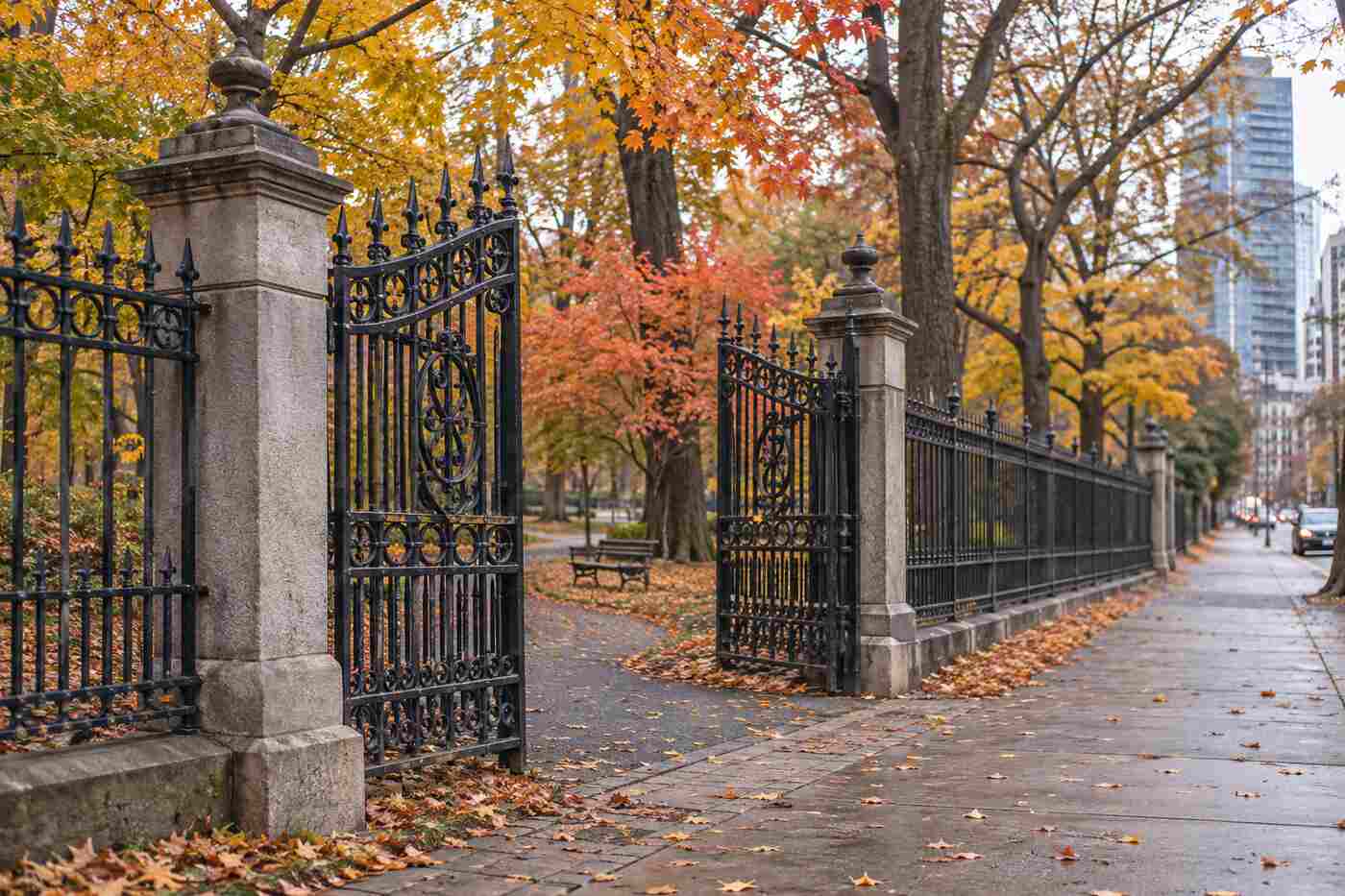
    Iron park gates and tall trees in autumn beside a city street
    Trinity Bellwoods Park sits at the heart of the strip. Illustration.

    From flophouses to the Art and Design District

    The modern district was built on old buildings. The Drake Hotel, at the western end, had become a flophouse before it was renovated, at a reported cost of $6 million, into a hotel, bar and arts venue. The nearby Gladstone Hotel was restored in 2005 by the Zeidler family. Both became places where artists, designers and visitors mixed, and both gave the strip a reason to be busy at night.

    Galleries arrived early. The Stephen Bulger Gallery, a photography gallery, was founded in 1994. The Museum of Contemporary Canadian Art moved to the area in 2005 and stayed until 2018. Gallery 1313 occupies the 1931 building of the former police 6 Division. Some businesses are much older: the Bates and Dodds funeral home at 931 Queen Street West, opposite Trinity Bellwoods, has been there since 1884.

    Why did West Queen West attract designers?

    The same reasons Ossington did a few years later: cheap space, old storefronts and a creative community. Small, deep shopfronts suit independent retailers, and studios above the shops suited designers and makers. The street’s galleries and hotels brought in people who were interested in new things, which is the audience a directional fashion boutique needs.

    The Jonathan+Olivia boutique, on Ossington just north of Queen, tied itself to the district. Its owners ran a clothing drive for the Centre for Addiction and Mental Health under the name “This is West Queen West,” according to the shop’s blog. A 2014 guide in Condé Nast Traveler told readers that no stroll along Ossington and West Queen West was complete without a stop there. Our history of the boutique tells the full story.
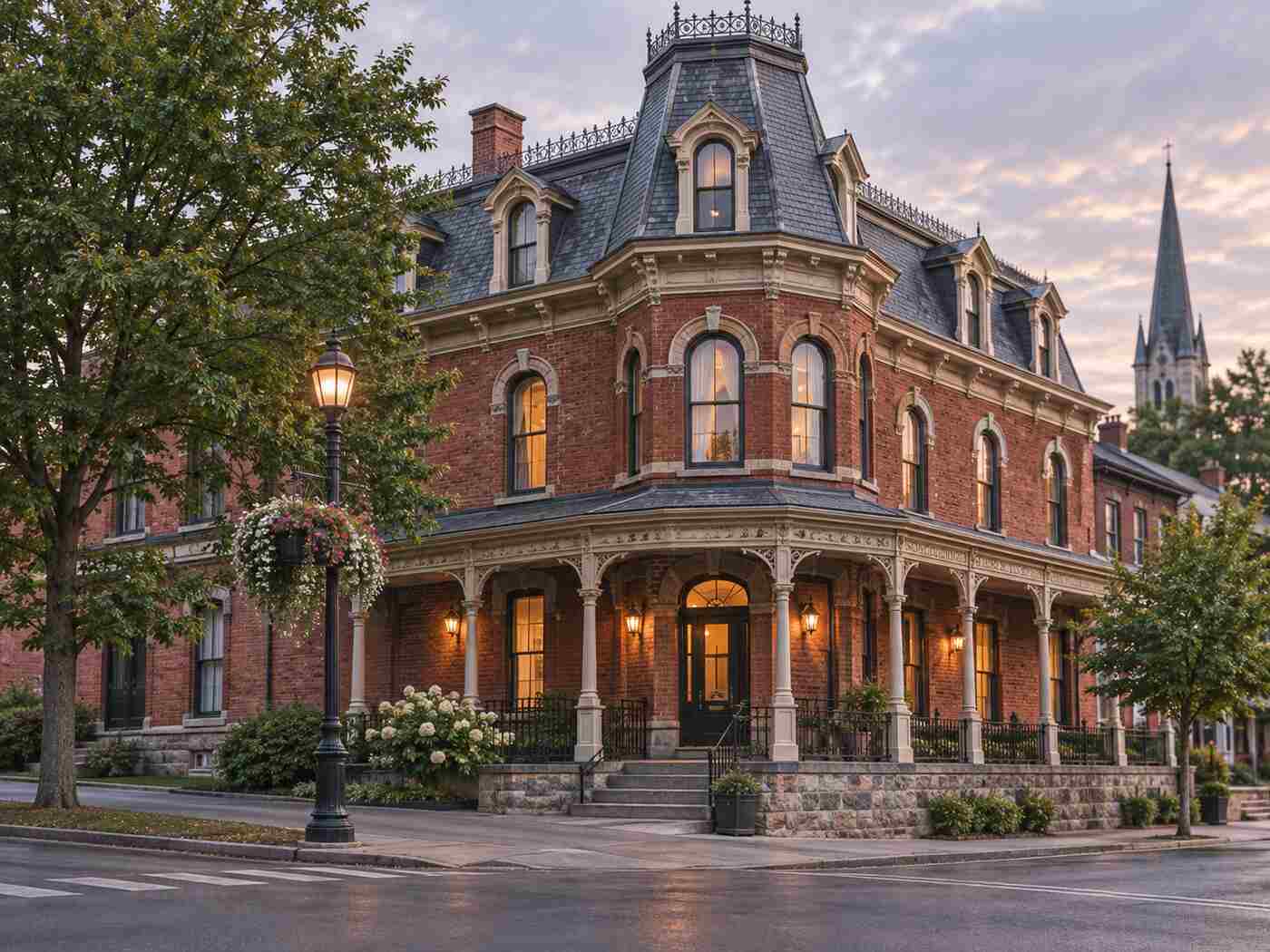
    A restored Victorian brick hotel facade at a street corner in soft evening light
    Two old hotels were restored as arts venues. Illustration.

    The 2014 Vogue ranking and the condo years

    In 2014 Vogue ranked West Queen West second in a list of the world’s 15 hippest neighbourhoods, behind Shimokitazawa in Tokyo. Recognition of that kind brings visitors, and it also brings developers. In 2013 a condominium project was planned around the building that housed the Museum of Contemporary Canadian Art, which left the area in 2018.

    The pattern is familiar from cities everywhere: artists and independent shops make an area desirable, and rising rents then make it harder for the next generation of artists and shops to move in. West Queen West is still home to many independents, but they now sit alongside Canadian flagships and international brands.

    West Queen West timeline

    YearEvent
    1884Bates and Dodds funeral home at 931 Queen Street West
    1931Police 6 Division building, later Gallery 1313
    1994Stephen Bulger Gallery founded
    2005Gladstone Hotel restored; MOCCA moves to the area
    2007Fawn boutique opens on Queen Street West
    2008Jonathan+Olivia opens on nearby Ossington
    2013Condominium plans around the MOCCA building
    2014Vogue ranks West Queen West second-hippest in the world
    2018MOCCA leaves the area
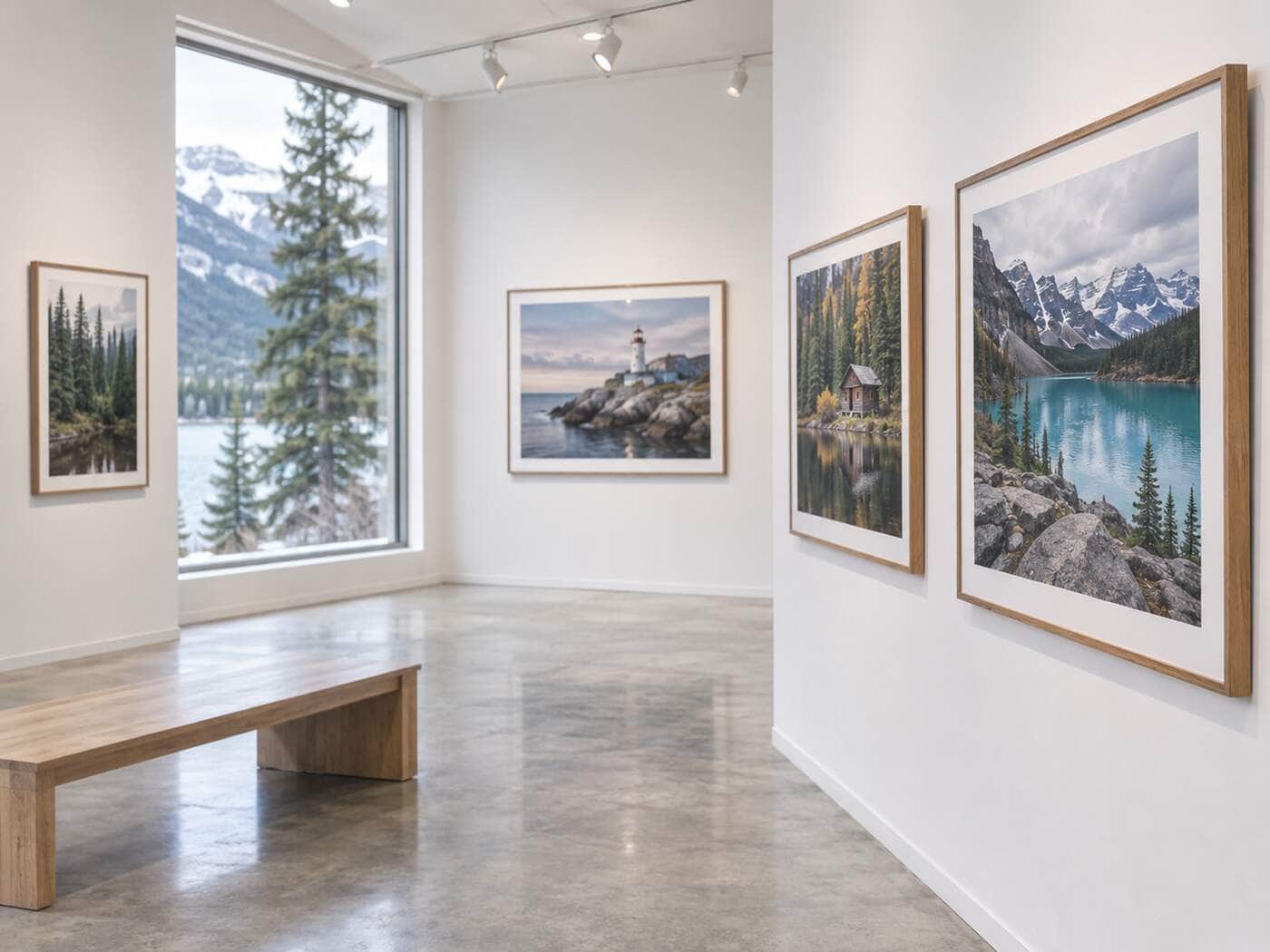
    An empty white gallery room with framed photographs on the walls
    Photography and contemporary art galleries anchor the district. Illustration.

    Queen West boutiques today

    Current guides give a good picture of the mix. Destination Toronto highlights KOWLI for independent and Canadian labels by women designers, Gaspard for curated womenswear from Europe and Japan, and Coal Miner’s Daughter for slow fashion and Canadian brands. Its guide to shopping neighbourhoods adds Philistine, for alternative fashion and vintage, and Fawn, a Queen Street West favourite since 2007 run by Kasha Bilobram, with seasonal collections from independent international designers.

    For menswear, Destination Toronto’s guide to men’s shopping describes Sydney’s as one of Queen Street West’s premier independent, gender-inclusive men’s shops, built on “clean lines, classic shapes and silhouettes.” Shops change often, so check hours and addresses before you go.
    A jeweller's workbench with small tools, wire and a loupe
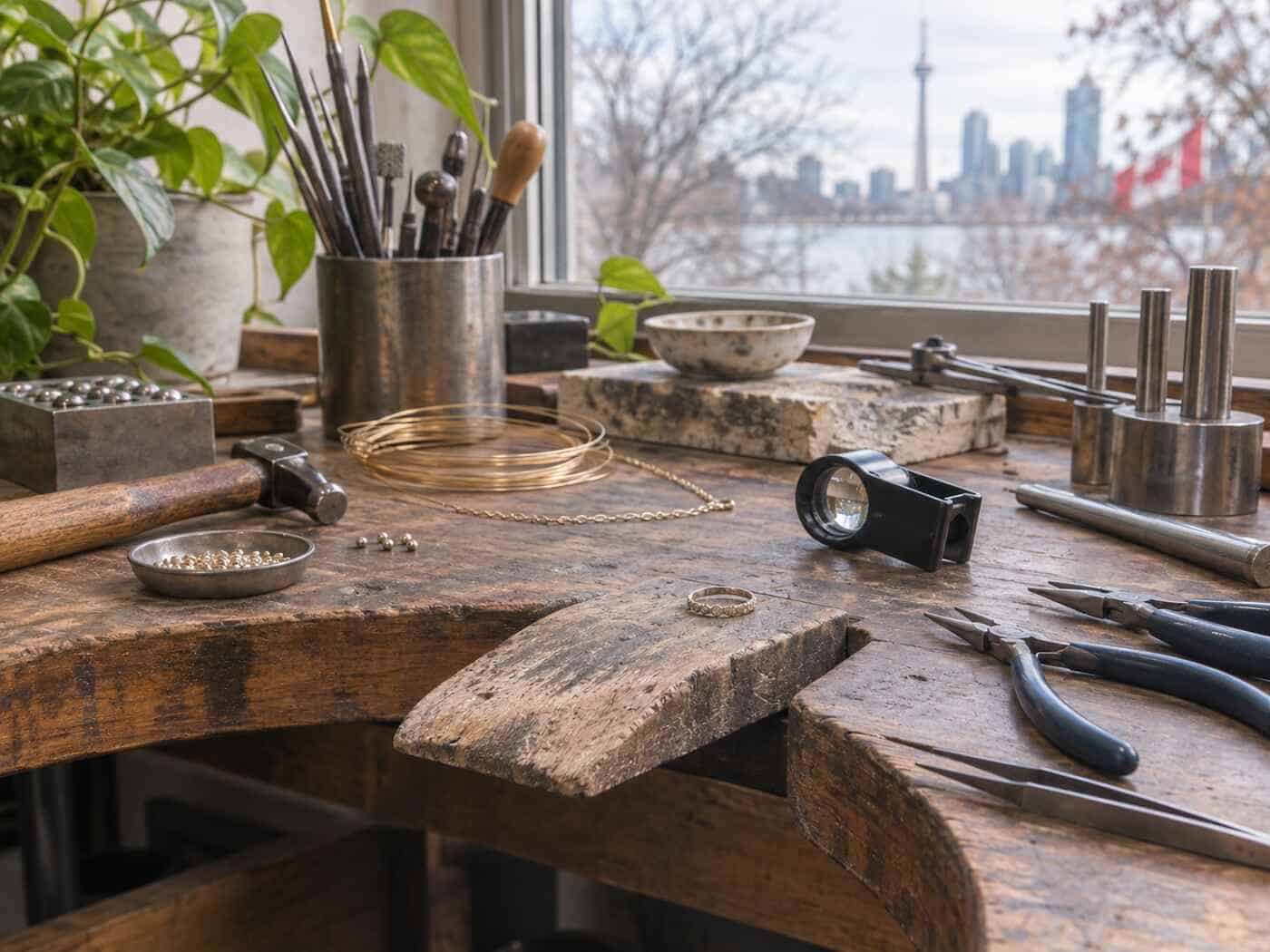
    Local jewellers work in the shops where they sell. Illustration.

    Vintage, jewellery and books

    West Queen West is not only new clothes. The City of Toronto’s Shop Toronto Design page describes Made You Look, which shows the work of more than 100 Toronto-based jewellery designers, with about twenty metalworking artisans making pieces in the shop. Destination Toronto lists House of Vintage, and TYPE Books opposite Trinity Bellwoods Park as one of the city’s best independent bookshops. Further west, Parkdale adds vintage furniture and décor shops.

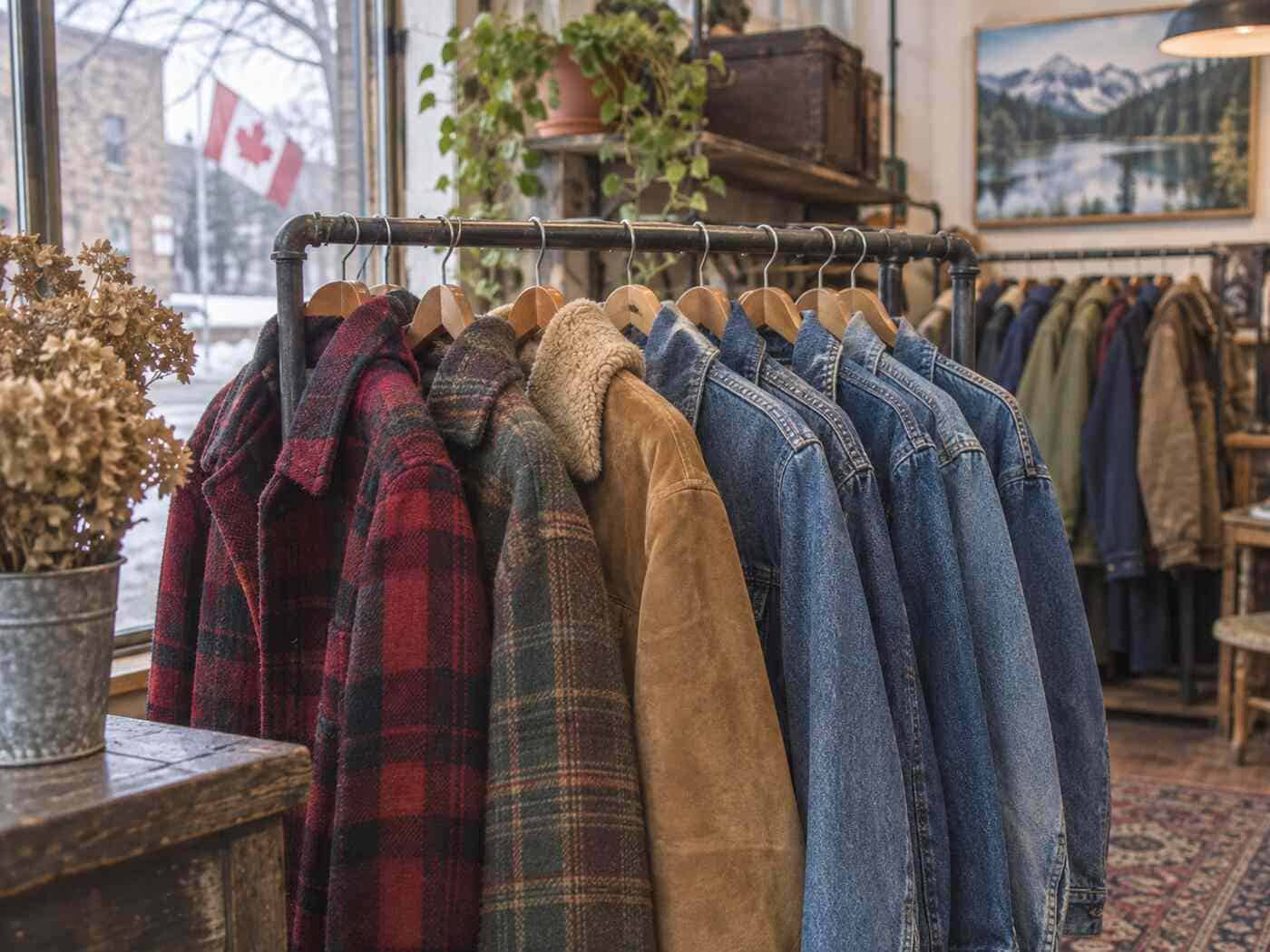
    Vintage and resale fit the district’s long-standing values. Buying a well-made piece second-hand is one of the simplest ways to follow the “classic over hype” approach set out in our guide to investment pieces.

    Queen Street West shopping beyond Bathurst

    Queen Street West shopping changes character as you walk west. Between University Avenue and Spadina the street is busy with chain stores and large brands. Between Spadina and Bathurst the mix becomes more independent. West of Bathurst, in West Queen West proper, small Queen West clothing stores, vintage shops, galleries and cafés take over, and past Gladstone the street becomes Parkdale, with its own vintage and décor shops.

    That gradient is useful to know. If you want familiar brands, stay east. If you want Queen West boutiques you will not find elsewhere, start at Bathurst and walk west. The street’s art and design history, from the Drake and the Gladstone to the galleries, is why the independent end has survived as long as it has.
    A rack of vintage coats and denim jackets in a small shop
    Vintage and resale are a large part of the mix. Illustration.

    West Queen West shopping tips

    • Start late morning. Many independents open around noon, so an early start means closed shutters.
    • Walk from Bathurst to Ossington first. This is the densest stretch of Queen West boutiques. Continue to Gladstone if you have time.
    • Take the 501 Queen streetcar. It runs the length of the strip.
    • Combine it with Ossington. Turn north at Ossington, a few blocks west of Trinity Bellwoods, for a second, shorter strip of shops, bars and restaurants.
    • Ask questions. Owners and staff at independent shops usually know where each piece is made and how it wears.

    Key takeaways

    • West Queen West shopping runs along Queen Street West from Bathurst Street to Gladstone Avenue, also called the Art and Design District.
    • Galleries, studios and two restored hotels, the Drake and the Gladstone, turned it into a creative hub.
    • Vogue ranked it the world’s second-hippest neighbourhood in 2014.
    • Queen West boutiques today include independent womenswear, menswear, vintage and local jewellery, alongside larger brands.

    Common questions

    Is Queen Street West good for shopping?

    Yes, especially west of Bathurst, where independent boutiques, vintage shops and design stores are concentrated. The eastern end has more chain stores.

    What is the difference between Queen West and West Queen West?

    Queen West usually means the whole of Queen Street West; West Queen West is the stretch from Bathurst to Gladstone, covered by its own business improvement area.

    How long does it take to walk West Queen West?

    From Bathurst to Gladstone is roughly 30 to 40 minutes at a steady pace. With shopping, allow half a day.

    What are the best Queen West clothing stores?

    It depends on what you want. Destination Toronto’s current guides point to KOWLI, Gaspard, Coal Miner’s Daughter and Fawn for womenswear, Sydney’s for menswear, and Philistine and House of Vintage for vintage. Shops change, so check before you go.

    What is the West Queen West BIA?

    A business improvement area, a local organisation funded by businesses in the district to promote and improve the street. Our guide to Toronto’s independent boutiques explains how BIAs work.

    How we put this together: the history comes from the neighbourhood’s Wikipedia entry and the Jonathan+Olivia blog; current shops come from Destination Toronto, the City of Toronto and Condé Nast Traveler. We list shops only where a named guide describes them, and do not accept payment for mentions.
    Sources

  • Ossington Avenue shopping: how a Toronto strip became a destination

    Ossington Avenue shopping: how a Toronto strip became a destination

    In short: Ossington Avenue shopping is concentrated on the short stretch between Queen Street West and Dundas Street West in Toronto. The strip began as part of an early road completed by 1817, spent a century as a working street of meatpackers, garages and small trades, and from about 2007 filled with independent boutiques, galleries, bars and restaurants as rising rents on Queen West pushed new businesses north. Today it is one of the best-known examples of a Toronto shopping street built by independents, and Ossington Avenue boutiques still set its tone.

    Ossington Avenue is about 3.5 kilometres long, running from Queen Street West north to Davenport Road. Most visitors only know its lowest section, a strip of roughly 560 metres up to Dundas Street West. That short stretch is one of the clearest examples in Canada of how a shopping street is made: early arrivals take a risk on cheap space, others follow, and success eventually changes the street they built. This history draws on public records and press coverage, all listed at the end.

    A road older than the city grid

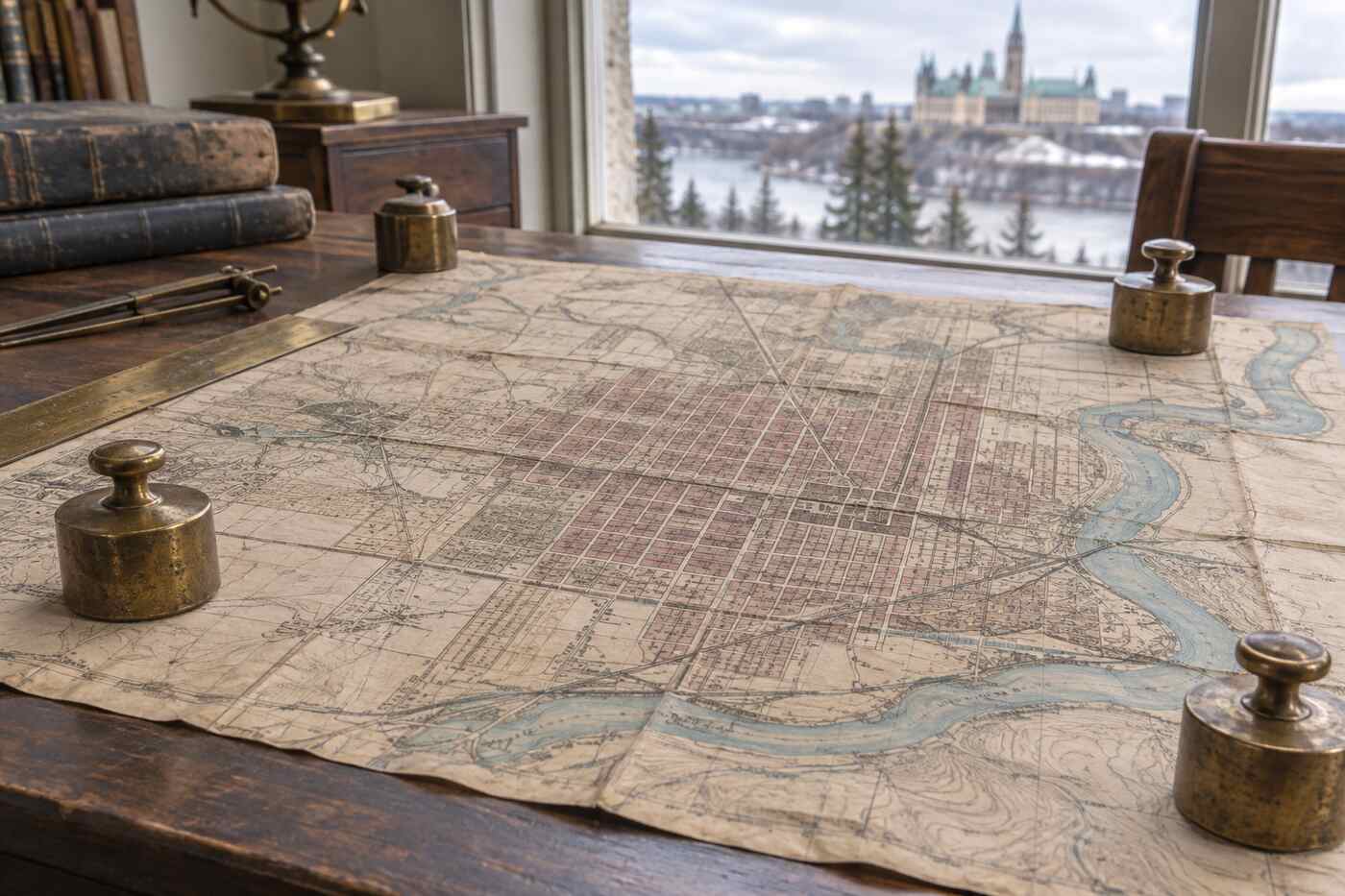
    According to Wikipedia’s history of the street, the lower strip was originally part of Dundas Street, the military road cut by George Taylor Denison’s Queen’s Rangers and completed by 1817. The avenue takes its name from Ossington in Nottinghamshire, the Denison family’s ancestral home. Commercial building along the strip began in the 1840s.

    This is why the strip runs at a slight angle to the streets around it, and why its storefronts are older and narrower than those on many nearby roads. Small, deep shopfronts later became an advantage for independent retailers who could not afford, or did not need, large floor plates.

    An old surveyor's map of a city grid spread on a table with brass weights
    The Ossington strip began as part of an early road to Dundas. Illustration.

    Asylum, meatpackers and garages

    At the foot of the street, the Provincial Lunatic Asylum opened in 1850 on the site now occupied by the Centre for Addiction and Mental Health. From the 1850s to about 1900 the area also hosted meatpacking. The name Ossington was applied to the whole avenue by 1923.

    Through most of the twentieth century the strip was a working street of industrial and automotive uses: garages, body shops and small trades. By the early 2000s it had a rough reputation. Wikipedia notes reports of crime around 2003, including a double murder at a karaoke bar. Rents were low, and that would matter.

    Why did Ossington Avenue become a shopping street?

    The short answer is rent. By about 2007, rising rents on Queen Street West pushed new businesses to look at side streets. Ossington’s cheap storefronts, a short walk from Queen and from Trinity Bellwoods Park, drew restaurants, bars, galleries and a handful of fashion shops.

    One of the first was the Jonathan+Olivia boutique, which opened at 49 Ossington in August 2008. Its owners said on the shop’s blog that the area was “bubbling under and home to cool galleries, bars and restaurants and above all a young fashionable crowd.” FASHION Magazine later called it one of the first stores on the street, “long before Ossington was known for being super hip.” The full story is in our history of the Jonathan and Olivia boutique.

    Early arrivals take a risk. Foot traffic is thin and customers have to be persuaded to make a detour. What they gain is space, lower costs and the chance to shape what the street becomes.

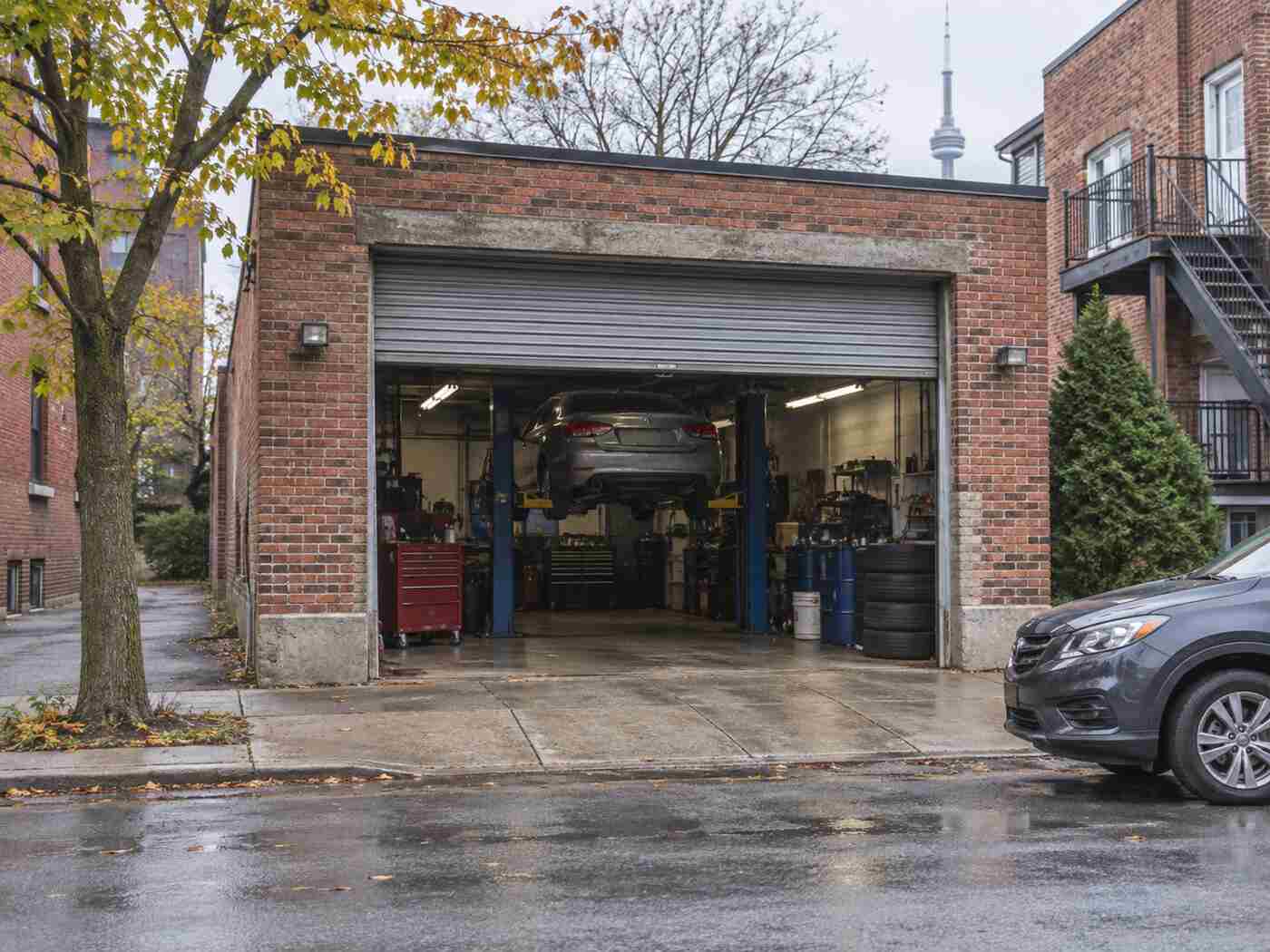
    A small brick auto repair garage with a roller door on a city street
    Auto shops and small trades filled the strip for decades. Illustration.

    The 2009 freeze on new bars

    Success came quickly, and it brought the usual tension between a lively street and the people who live on it. In 2009 the city introduced controls on licensing new bars and restaurants on the strip; they were lifted in 2010.

    For retailers, the freeze had an interesting side effect. It slowed the conversion of every vacant shopfront into a bar and kept some space for shops and galleries. It is a reminder that zoning and licensing decisions shape what kind of shopping street a neighbourhood ends up with.

    Boutiques and nightlife grew together

    By 2010 the boutique’s own account described Ossington as “the coolest spot in the city with a host of new nightlife adventures and boutiques moving in.” A style column on Law and Style pointed readers to Tiger of Sweden on Ossington, with Jonathan+Olivia across the street. In 2014 Condé Nast Traveler told visitors that no stroll along Ossington and West Queen West was complete without a stop at the boutique, and listed nearby restaurants in the same guide.

    Successful shopping streets are rarely shopping alone. Restaurants and bars bring people in the evening and at weekends; shops bring them during the day. Each feeds the other. The same year, Vogue ranked the wider West Queen West area second on its list of the world’s hippest neighbourhoods.

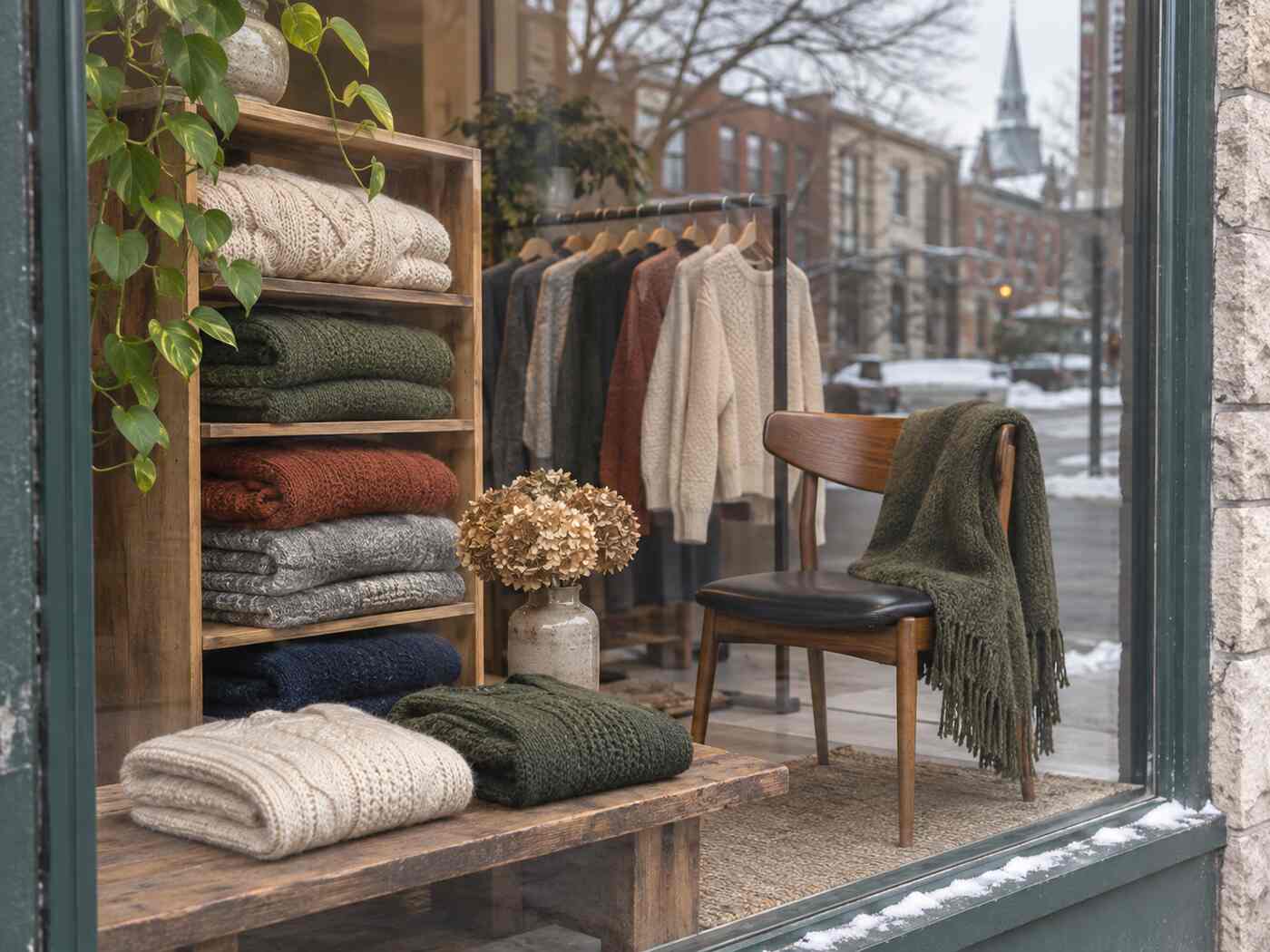
    A narrow boutique window with folded knitwear and a single chair
    Low rents drew independent shops from about 2007. Illustration.

    Ossington Avenue timeline

    YearWhat happened
    By 1817Lower strip completed as part of the road to Dundas
    1840sFirst commercial buildings on the strip
    1850Provincial asylum opens at the foot of the street
    1850s–c.1900Meatpacking in the area
    By 1923Whole avenue named Ossington
    1947–199263 Ossington route runs as a trolleybus
    c.2007Low rents draw new restaurants, bars and shops
    August 2008Jonathan+Olivia opens at 49 Ossington
    2009–2010Temporary controls on new bars and restaurants
    2012Lower Ossington extended into the CAMH campus
    July 2018Jonathan+Olivia closes its Toronto store
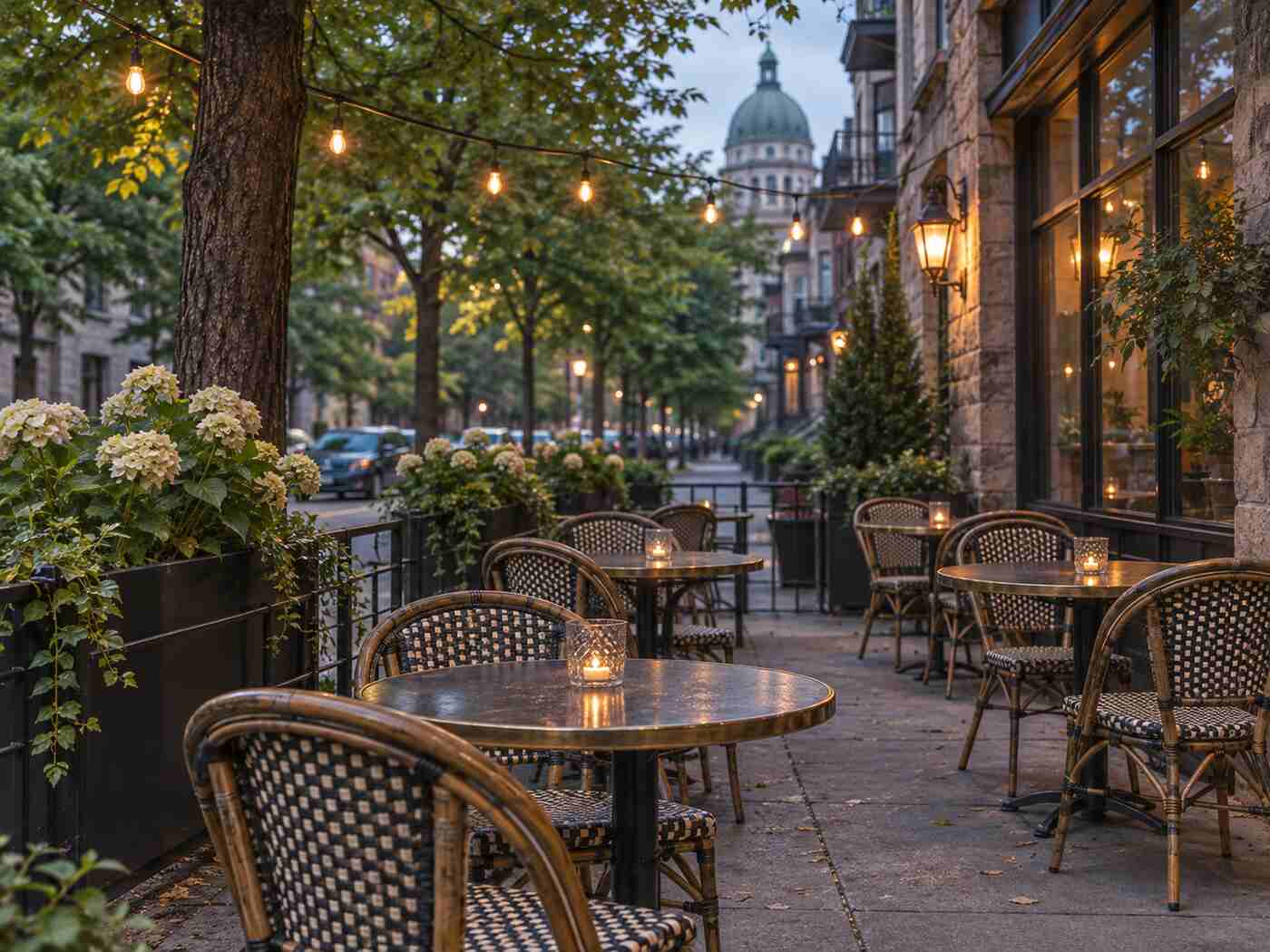
    An empty restaurant patio with café chairs on a tree-lined street at evening
    Bars and restaurants followed the boutiques. Illustration.

    Getting there and getting around

    The 63 Ossington bus runs the length of the avenue; it operated as a trolleybus from 1947 until 1992. The 501 Queen and 505 Dundas streetcars cross the strip at each end. In 2012 Lower Ossington was extended south into the redeveloped CAMH campus, on the old asylum lands.

    The strip is short enough to walk in fifteen minutes. The best way to shop it is the same as it was in 2008: walk the whole length on both sides, look in the small doorways, and talk to the people behind the counter.

    What Ossington teaches about shopping streets

    • A clear point of view travels. Shoppers will make a detour for a buyer whose taste they trust.
    • Service builds loyalty. Free hemming, phone orders and staff who knew the stock all featured in coverage of Ossington boutiques.
    • Events turn shops into places. Trunk shows, shop-in-shops and launch parties gave people a reason to visit beyond buying.
    • Success changes the street. The independent shops that make a strip popular are often the first squeezed by its rents.

    When Jonathan+Olivia closed in July 2018, blogTO listed it among the month’s notable closures. Ossington remains a destination, now led more by restaurants and bars, while many fashion independents have spread across the city; see our guide to Toronto’s independent boutiques.

    Overhead streetcar and trolley wires against a pale city sky
    The 63 Ossington route ran as a trolleybus from 1947 to 1992. Illustration.

    Ossington Avenue boutiques and stores today

    The strip’s shops have changed many times since 2008, but the mix is still mostly independent. The Destination Toronto Ossington guide describes “a concentration of independent restaurants, boutiques, cocktail bars and live music venues packed into just a few city blocks,” and lists Lost & Found for Canadian and Japanese men’s streetwear and I Miss You Vintage for luxury clothing and accessories.

    Fodor’s describes I Miss You Vintage at 63 Ossington as an upscale consignment shop, with a menswear shop, I Miss You Man, next door, and Annie Aime at 42 Ossington for European labels. Rotate This, at 186 Ossington near Dundas, is a long-running record shop that Destination Toronto calls one of the city’s oldest and best-known. Together they show what Ossington Avenue shopping is today: resale, menswear, European womenswear and music, rather than the runway labels of the 2000s.

    Is Toronto good for shopping? For independent shops, yes, and Ossington is one of the reasons. It is small enough to see in an afternoon and close enough to Queen West, Trinity Bellwoods and Dundas West to combine with all three.

    Key takeaways

    • Ossington Avenue shopping centres on the 560-metre strip between Queen Street West and Dundas Street West.
    • The strip was part of an early road completed by 1817 and was a working industrial and automotive street for most of the twentieth century.
    • From about 2007, low rents drew independent boutiques, galleries, bars and restaurants priced out of Queen West.
    • The city froze new bar and restaurant licences in 2009 and lifted the controls in 2010.
    • The street’s mix has shifted towards hospitality as rents have risen.

    Common questions

    Where does Ossington Avenue shopping start and end?

    The busiest stretch runs from Queen Street West north to Dundas Street West, about 560 metres. The avenue continues north to Davenport Road, but the northern sections are mainly residential.

    Is Ossington Avenue part of West Queen West?

    It meets West Queen West at its southern end and the two are usually visited together, but Ossington is its own strip with a separate history.

    Why is it called Ossington?

    After Ossington in Nottinghamshire, England, the ancestral home of the Denison family, who owned land in the area.

    What was on Ossington before the boutiques?

    Garages, body shops, small trades and some bars. Earlier still, meatpacking and the provincial asylum at the foot of the street.

    How we put this together: we used the street history summarised on Wikipedia and checked it against press coverage from FASHION Magazine, Law and Style, Condé Nast Traveler and blogTO, plus the Jonathan+Olivia blog. Current shops come from Destination Toronto and Fodor’s. Dates come from those sources; the advice sections are our own.

    Sources